Catheter monitoring roots
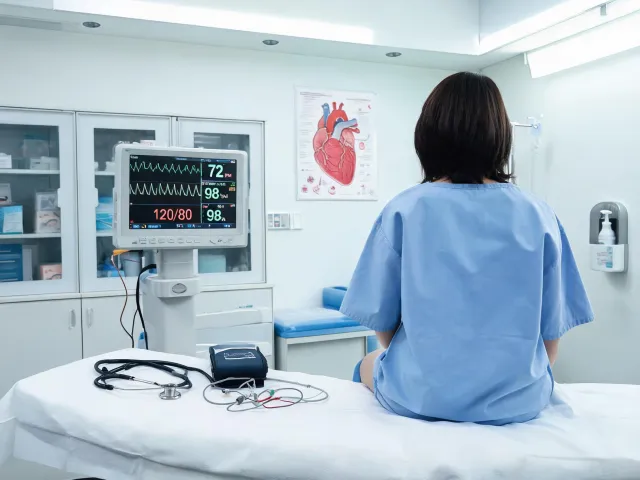
Early hemodynamic thinking established bedside pressure and flow observation as a clinical decision layer, not only a charting task.

Engineered for critical-care teams. Audited under ISO 13485 & IEC 60601-1.
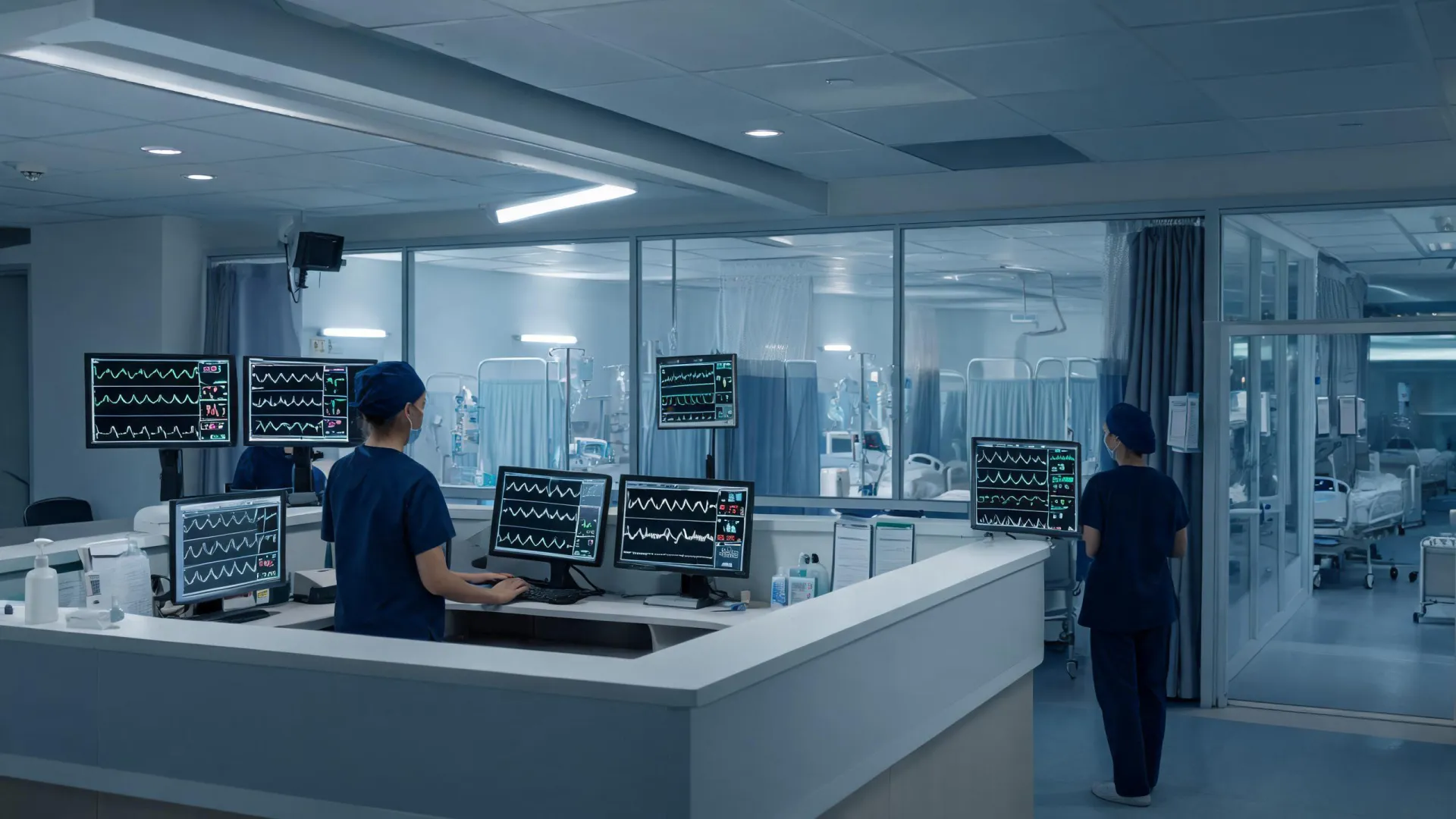
Plan hemodynamic platforms, SpO2 accuracy workflows, telemetry stations, and remote observation paths with documentation that procurement, biomed, and clinical leaders can audit together.
Milestones are due-diligence anchors for value-analysis teams. Corroborate historical and model-specific records in public filings, labeling, and regulatory databases.
Early hemodynamic thinking established bedside pressure and flow observation as a clinical decision layer, not only a charting task.
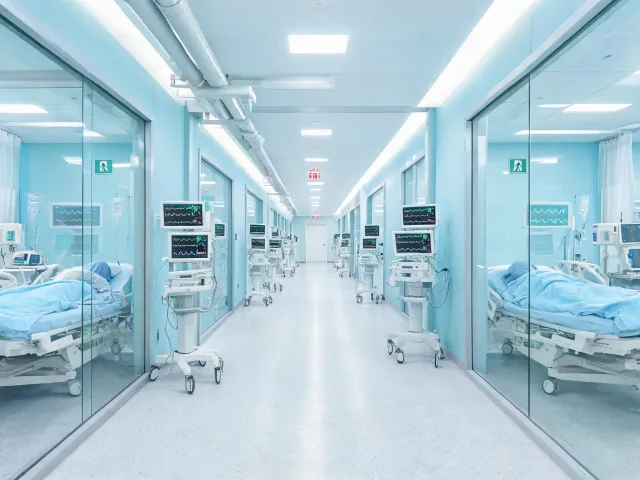
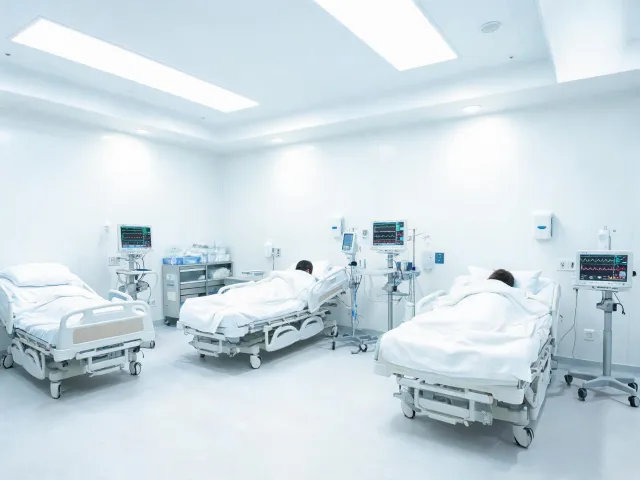
Hospital programs consolidated multiparameter monitoring, alarm governance, and nursing-station telemetry into formal capital planning.
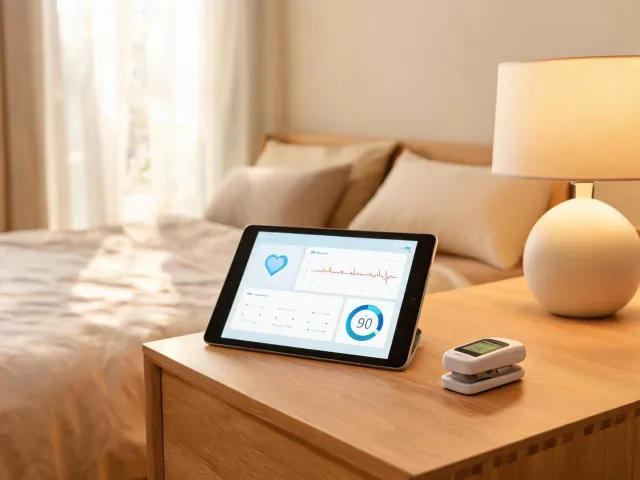
HL7 messaging, EMR observation feeds, and remote review paths became standard evaluation criteria alongside SpO2 accuracy and MTBF.
European programs mapped CE marking under MDR 2017/745, PMS plans, and vigilance reporting into procurement checklists.
Premarket cybersecurity guidance and software bill of materials disclosure entered RFP and hospital IT security reviews.
Current decisions still depend on exact sensor family, software revision, alarm profile, intended use, and site acceptance criteria.
“We evaluate monitoring platforms by alarm priority design, SpO2 accuracy under motion, FHIR observation reliability, and the hours it takes biomed to restore a failed bed—not by brochure adjectives.”
Evidence principle for value-analysis teams — illustrative composite role and care setting, not a customer endorsement
*Planning envelopes for procurement conversations, not guaranteed site performance. Confirm exact values in model-specific documentation and local verification records.
We will structure a product, service, and capability conversation without treating nominal brochure metrics as guaranteed outcomes.